
When we think of hurricane damage, high winds usually come to mind first. However, flooding remains one of Florida’s most frequent, costly, and dangerous hazards. It is a coast-to-coast threat that can strike at any time of the year—whether from a major tropical system, sudden riverine overflowing, or a intense summer afternoon thunderstorm.
Because low-lying and poorly drained areas can experience sudden rising waters, understanding your risk and knowing how to react is key to keeping your household safe.
🔍 Step 1: Know Your True Risk
Flood waters don’t respect property lines, and you don’t have to live right on the water to be impacted. To protect your home, you need to understand the structural and geographic factors at play:
Check Your Official Zone: Don’t guess your flood risk. You can view your official FEMA flood zone map online via the FEMA Map Service Center or check your property details through our local county property appraiser’s office. You can also visit FloodSmart.gov and enter your exact address to get a comprehensive look at your overall risk profile.
Evaluate Your Property: Determine your home’s baseline elevation and take note of any nearby creeks, retention ponds, or low-lying streets that frequently pool during heavy downpours.
🚗 The Golden Rule: Turn Around, Don’t Drown
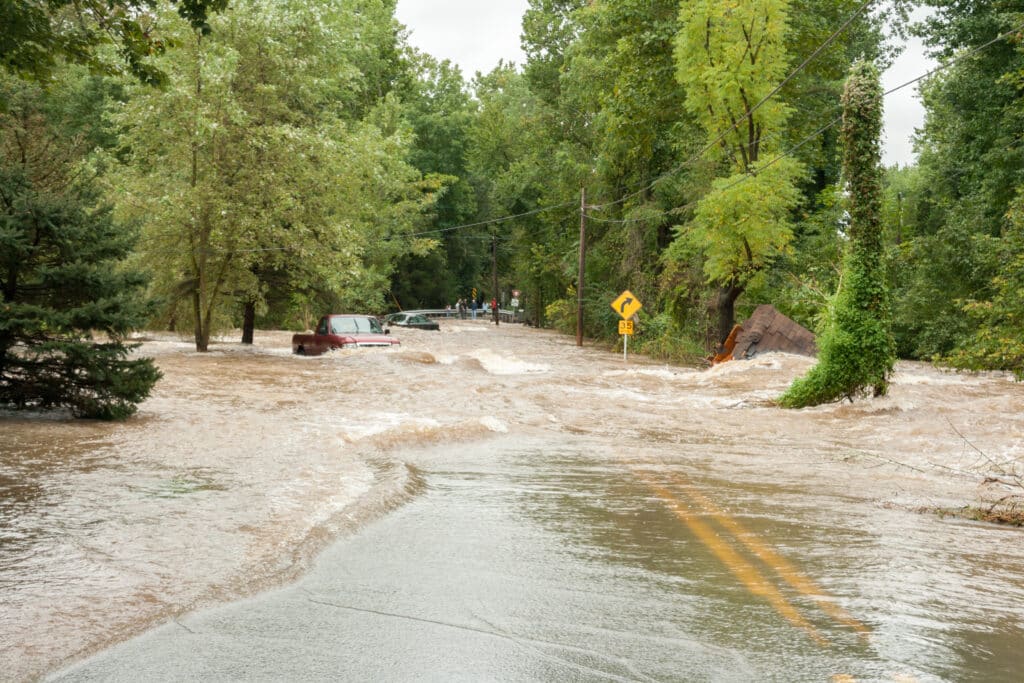
Statistically, nearly half of all flood-related fatalities involve individuals who attempt to drive through flooded areas. It only takes 12 inches of rushing water to carry away a small car, and two feet of water can sweep away most SUVs and trucks.
Never drive through flooded roads: If you cannot see the road markings, you have no way of knowing if the asphalt has washed away underneath.
Respect the barriers: Do not drive around city-placed barricades. They are set up by emergency and Public Works crews specifically for your protection.
Abandon stalled vehicles: If your car stalls in rising water, leave it immediately and move to higher ground safely.
🛑 After the Flood: The Hidden Dangers
The danger doesn’t vanish once the rain stops. Returning to or cleaning up a flooded property requires extreme caution:
Watch the Power: Never handle live electrical equipment in wet areas. If the power is out in your neighborhood, use a flashlight instead of a lighter or candle to inspect a dark building, as flammable gas may be trapped inside.
Contamination is Real: Throw out any food items that have come into contact with floodwaters, and strictly follow any local boil water notices until utilities are declared fully safe.
Keep Streets Clear: Avoid visiting hard-hit disaster areas out of curiosity. Extra traffic can severely hamper vital rescue and utility restoration operations.
📋 The Insurance Reality Check
One of the most devastating mistakes a homeowner can make is assuming their standard policy covers rising water. Standard homeowners insurance policies do not cover flood damage. To ensure your property is protected, look into federally backed coverage before a storm forms. You can learn more about securing a policy by visiting the National Flood Insurance Program (NFIP) or by calling 1-888-CALL-FLOOD.